Plant Tissue
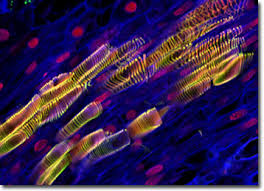
Lilium – Lily Flower Bud
Lilies (Lilium spp., family Liliaceae) are herbaceous perennials distinguished by tall, erect stems, narrow linear leaves, and striking six-part flowers. True lilies are easily identified by their bulbs, which consist of layered, loose scales. Each scale has the potential to form a new bulb, a feature extensively used in horticultural propagation and breeding programs. While the lily family includes over 4,000 species, fewer than 100 Lilium species are commonly recognized as true lilies; other visually similar plants, such as water lilies (Nymphaeaceae), are often colloquially labeled “lilies” despite belonging to different families.
Historically, lilies have held significant cultural, ornamental, and medicinal value. In ancient civilizations, lilies were prized for their fragrance, beauty, and healing properties. Symbolically, white lilies have long represented purity, an association originating in Roman traditions where women adorned themselves with lilies during weddings. During the Middle Ages, the Madonna lily became a recurring motif in Christian art, symbolizing innocence and the Virgin Mary. Today, lilies continue to be a staple in gardens and floral arrangements worldwide, admired for their elegance, fragrance, and historical significance.